

Food costs can eat up a big percentage of your budget. Thankfully, there are a few simple ways to feed your family healthy meals and snacks while keeping your finances in check.
We will discuss tips to save money on food costs to lower your food budget. We’ll also feature how it’s possible to do this even while eating healthy and living a healthy lifestyle, which is also important to save you money on insurance rates and coverage.
Healthy Eating and Life Insurance
Healthy eating is one important piece of the foundation for living a healthy lifestyle. Eating a healthy diet can help manage weight, improve energy levels, boost immunity, and lower your risk for a variety of chronic health conditions.
Living a healthy lifestyle can also help you find affordable life insurance coverage. Life insurance is important to help protect your family’s finances in case something happens to you. Life insurance rates are based on factors such as your medical history, health history, age, gender, and occupation.
When choosing life insurance coverage, you can find term life insurance rates online or meet with an agent to find the most affordable options. There are many different options for life insurance available, so make sure you eat healthy, stay active, and take care of your health to get the best deal on life insurance rates.
#1 – Choose Seasonal Fruits and Vegetables
Seasonal fruits and vegetables are your best bet when it comes to quality and cost. They are usually cheaper, readily available, and tasty.
If you aren’t sure which fruits and vegetables are in season, you can look for a chart online. You can also tell because seasonal produce is usually on sale or priced reasonably.
Some fruits and vegetables are almost always inexpensive. Bananas, oranges, celery, carrots, apples, grapes, potatoes, and onions are usually great budget items and are available year-round.

#2 – Try Frozen and Canned Fruits and Vegetables
When fresh fruits and vegetables are still costly, not available, or of poor quality, you can turn to frozen or canned fruits and vegetables as great alternatives. Frozen fruits and vegetables are flash frozen right after harvest and at peak quality, so they retain a lot of nutrients.
You can usually find them on sale and there is no pressure to use them within a week or two. It’s also easy to just use the exact amount you need and put the rest back in the freezer for less waste.
Canned fruits and vegetables may have more added sugar or sodium, so read the label or choose the lower sugar or lower sodium options.
#3 – Plan Around the Sales
When making your grocery list, try to plan your weekly meals around the sales. You can stock up on sale items like meat, produce, canned goods, frozen items, or healthy snacks.
For example, if chicken breasts are on sale, plan your meals around chicken that week. To save time, you could even cook a large quantity of chicken and season it individually to use in different meals like tacos, soup, pasta, and salad, or have them with seasonal vegetables.
#4 – Try Cheaper Protein Options
Meat is a great source of protein and many vitamins and minerals, but it can be a costly part of your food budget. You can buy it on sale or in bulk to save money.
Another way to save money is to cut back on the meat you purchase and try other cheaper protein options. Beans, lentils, tuna, eggs, nuts, seeds, and soy products provide protein but are much cheaper than meat.
Whole grains like brown rice, oats, and quinoa also have some protein so they can be used with other plant foods to increase the protein amount of your meals. In fact, whole grains and beans are two of the most affordable and nutritious options you can buy to feed your family in a healthy way and save money at the same time.
#5 – Stick to Your List
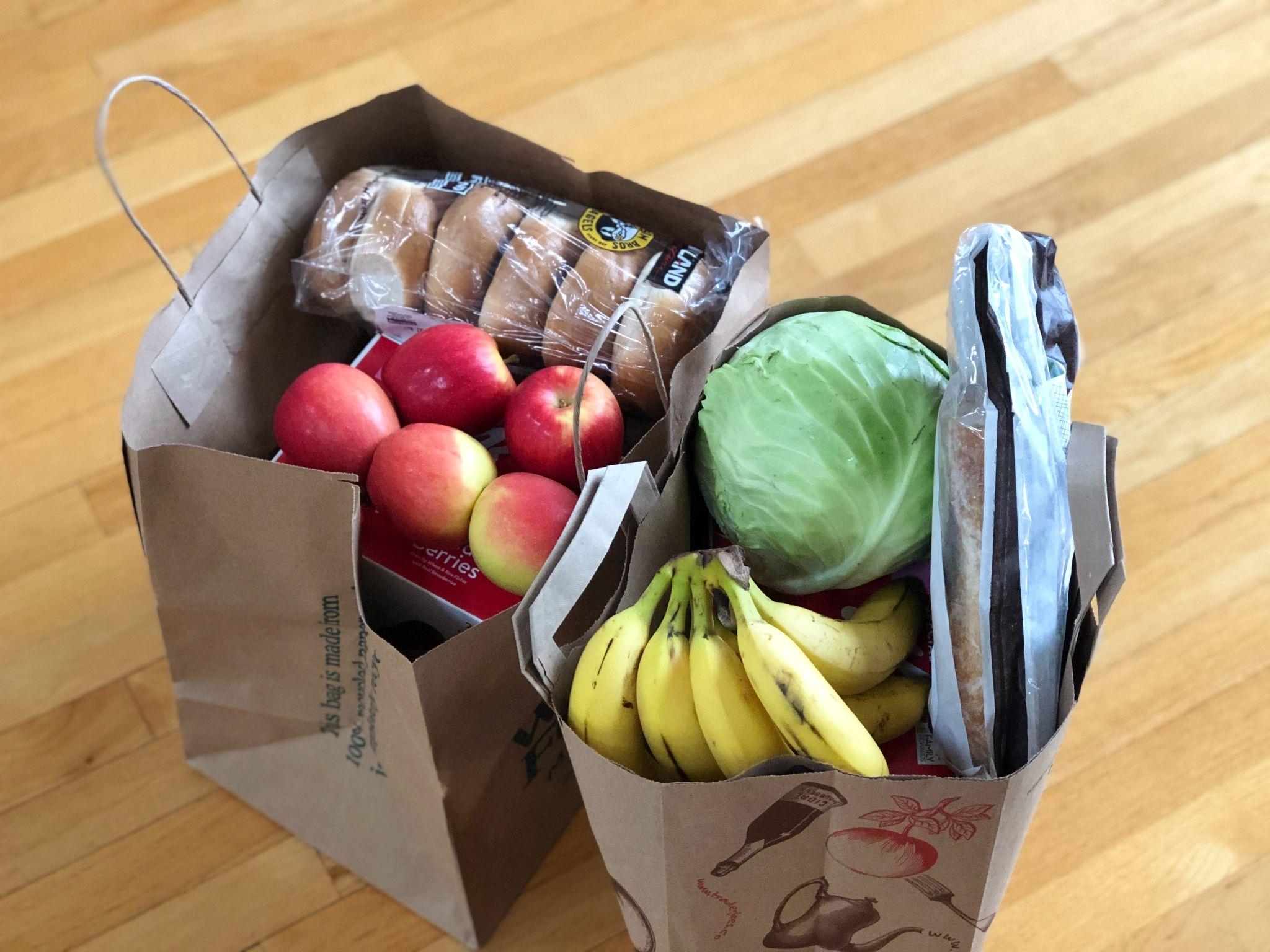
Making a grocery list and sticking to it while shopping is another great way to prevent overspending. Along with that, don’t go shopping when you are hungry. You are more likely to purchase impulse items and veer from your list. Eat a snack before heading out to the supermarket.
Buying a lot of processed foods may save you money, but these foods have little nutritional value and may leave you feeling hungry. Try to focus more on whole and unprocessed foods to eat well for less.
#6 – Use the Unit Price
The unit price is a valuable tool in finding the best deals. The unit price is usually listed on the tag on the shelf and gives you a breakdown of the price per unit. For example, pasta might be 6 cents per ounce or orange juice might be 8 cents per ounce.
If there is no unit price listed, you can calculate it by taking the total price and dividing it by the size of the item (ounces, pounds, or another unit). This allows you to compare different sizes and brands to find the best price per unit.
Sometimes it’s more affordable to buy multiple smaller packages than one larger package. If you have extra space, you can buy basic items in bulk to save money. The unit price will help you compare different brands and different sizes to find the best deal.
Healthy Eating on a Budget
Finally, good hydration is key to healthy eating. Drinking water can help you feel less hungry and more energized.
It only takes a little planning and preparation to help you eat cheap and healthy food on a budget. Feeding your family healthy meals and snacks is a great way to stay healthy, boost your immune system, and have the energy to learn, play, and work.
 Melissa Morris writes and researches for the life insurance comparison site, QuickQuote.com. She is a university professor of nutrition and a certified sports nutritionist.