

If you’ve found yourself in debt, it might be because you’re currently unemployed—or maybe you’re looking for a higher paying job to help you get out of debt. And when you’re buried deep in debt, it goes without saying that your credit has been negatively impacted. So what are you to do when a future employer asks permission to run a credit check as a part of their pre-employment screening… other than panic?
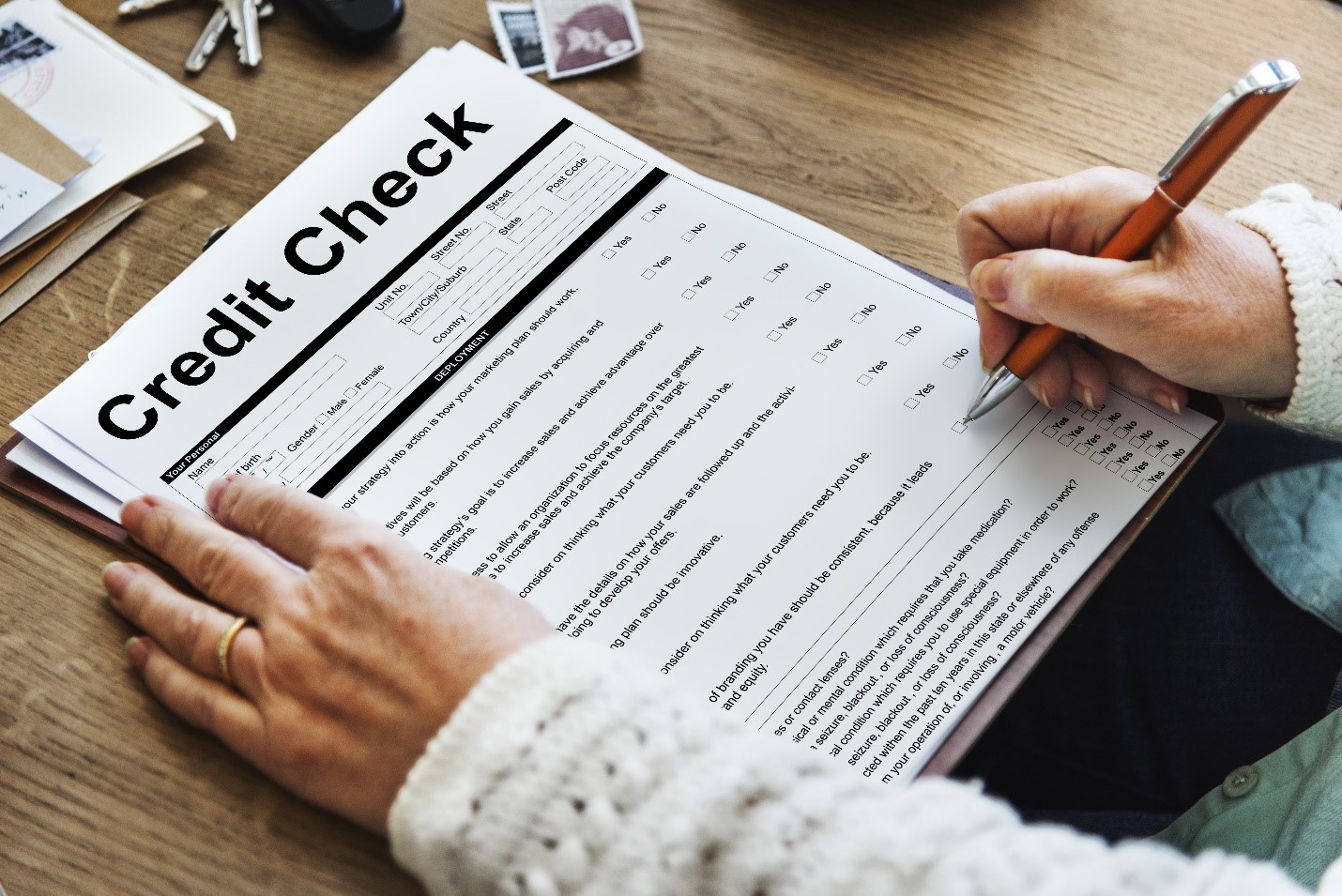
Before you start sweating, take a deep breath. We know that paying off your debt without a job seems all but impossible, but don’t write yourself out of employment just yet. There are a few different reasons why employers might check the credit history of their job applicants, and we’ll explain why. We’ll also talk about what you can do if a negative report stands between you and your future job, including how to dispute it, so you can get the job that you deserve.
Why is my employer asking for a credit report?
Employers want to make sure they’re extending their job offer to a safe bet. A potential hire who demonstrates signs of financial distress might be indicate a flight risk, as well as present concerns over fraud and theft—especially for positions within the financial industry, jobs which manage cash, and roles that have access to sensitive banking information.
Additionally, a credit history with consistently late payments could suggest that the candidate is neither organized nor responsible, which may indicate that he or she is a poor fit for the job.
What can my employer see on my credit report?
Depending on the company your employer uses for an employment credit report, the information they can see varies. Regardless of the service provider, your employer will not be able to see your exact credit score or account information—only a modified version that shows the debt you have incurred through:
- Credit cards
- Car payments
- Mortgages
- Student loans
- Other loans

Your employer will be able to see your payment history of these debts and loans, including late payments, as well as identifying information such as your name, address, and Social Security Number. It will not reveal any information that could potentially violate equal employment regulations, such as your birthday or marriage status.
Do laws restrict employment credit checks?
Yes; both the Fair Credit Reporting Act and Equal Employment Opportunity Commission regulate how employers can obtain credit checks and what they can do with that information.
- Written permission: Your potential employer must first notify you of the intention to check your credit history and you must provide authorization with written permission.
- Pre-Adverse Action notice: If they found information within your employment credit check that may potentially disqualify you from employment, your employer must first notify you with a Pre-Adverse Action letter. This notice explains the information found as well as your rights to dispute or explain the negative marks.
- Adequate response time: Once you receive a Pre-Adverse Action notice, you will have between three to five business days to reply to the letter, explain the flags, or dispute incorrect information on your credit score.
- Final Adverse Action notice: If you fail to respond to the first notice, do not dispute any claims, or provide an explanation for an adverse report, the employer may continue with their decision to rescind their job offer. The Adverse Action notice must explain the steps taken before rescinding the job offer as well as providing the name of the credit reporting agency, its contact information, and your right to request a free copy of the report within 60 days.
Can I prepare for a credit check?
Of course. If you know that you’re on the job market seeking employment, avoid common mistakes that could negatively impact your credit. Try to make all payments on time—even if it’s only the minimum amount—and avoid applying for credit during this time period. Credit card applications place a “hard hit” on your credit and leave a trace on your file; too many of them within too short of a period might lower your score. (Don’t worry; employment credit checks are a “soft hit”, so apply to as many jobs as you like without fear of damaging your credit. Your future employer won’t be able to see history of employment screening elsewhere.)
Knowledge and preparation are the key to mastering your job search and making your way out of debt. With this information in mind, you won’t be caught off-guard with employment screening—but if you are, you’ll know what to do!