

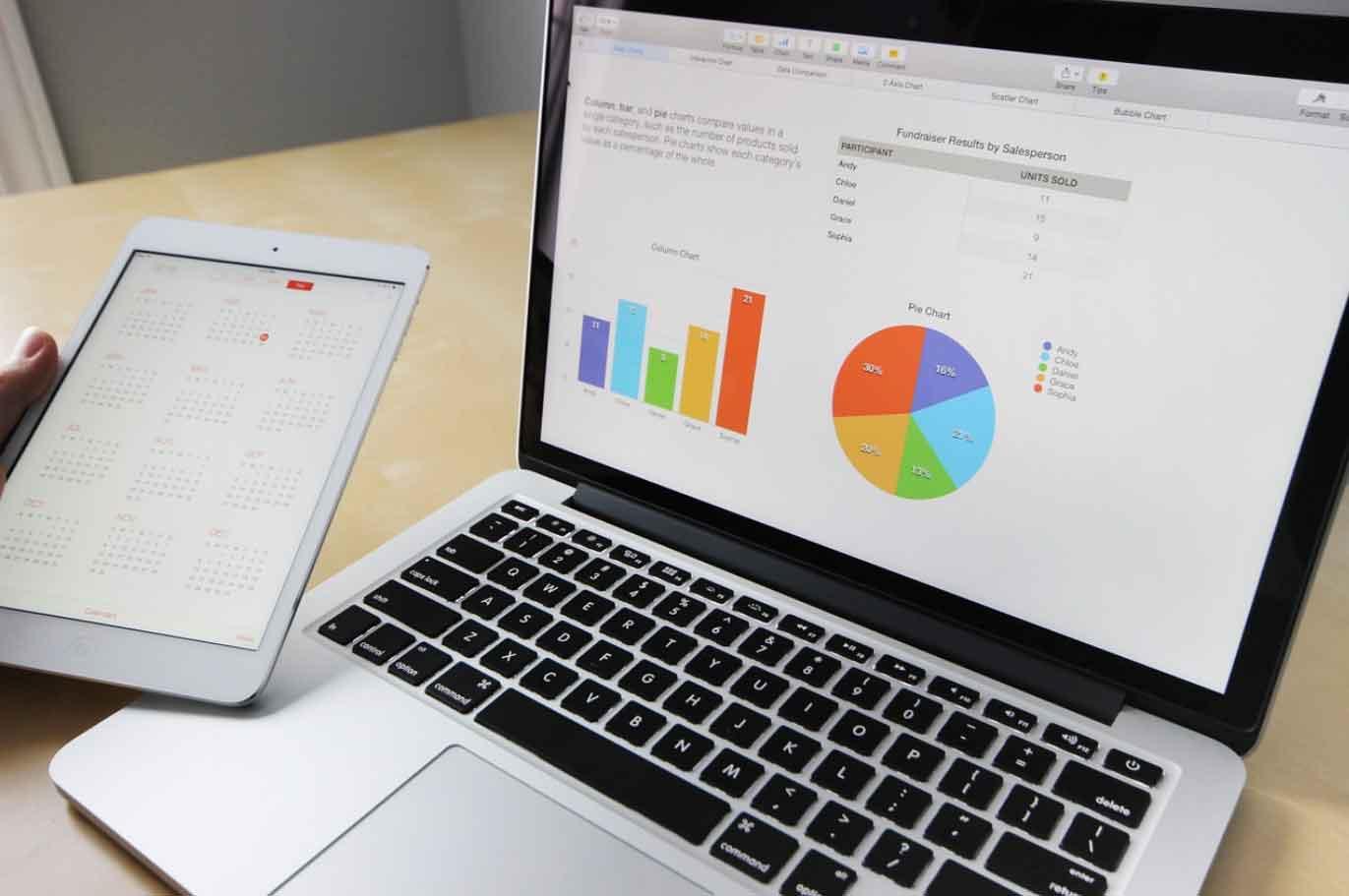
Over the course of your life, you will amass an essential collection of documents. Some of these are financial such as tax and insurance. Others are personal and sensitive, like medical records or your passport and birth certificate. In the wrong hands, these could be used for fraud and identity theft. This could potentially all but destroy your life.
Fortunately, you can secure your files by organizing, storing and protecting them. In addition, you can further protect important data by digitizing your information. Digitizing has many benefits such as encryption, backup and off-site storage such as in the cloud. In addition to protecting digital assets, computers are also beneficial for getting your financial affairs in order.
Go Digital
Digitizing documents is helpful in many ways. For example, you can use your scanner to keep copies of essential documents. You can also copy information into financial applications such as spreadsheets. Also, you don’t have to spend money on valuable apps. For example, Microsoft Excel is an excellent spreadsheet program. However, you can use Open Office or Google Sheets for free.
You should protect your digital data from computer viruses. You can do this by being careful when downloading and purchasing antimalware. Some antimalware apps such as Malwarebytes provide good free protection. However, your computer can become slow when using such programs. You can upgrade your PC RAM. For Mac, you could consider downgrading (click here) your OS.
Create a Clear Filing System
One of the worst culprits for losing track of essential documents and vital information is the lack of a sound filing system. You can apply this to both real world and digital records. It is helpful to organize documents by category such as tax, insurance and personal. Therein, organize by alphabetical order so you can easily find what you seek.
Creating a file system on a computer couldn’t be simpler. All you need to do is create a folder hierarchy and label folders as required. For example, you could label a folder’ Insurance’. This folder could contain additional folders named ‘House Insurance’ and ‘Car Insurance’. You could then keep scanned copies of your tax documents inside these while the real ones are stored away.
Protect Documents
Protecting your documents is vital since you never know when you will need them. Real-world documents are relatively safe while stored in a good filing system. However, you should further protect the filing system itself. Heavy-duty cabinets are a great option, and many of these come with a lock and key mechanism. In addition, you could consider investing in a strong box or a safe for extra sensitive documents like your passport.
Fortunately, protecting digital documents is a lot easier. You can secure digital copies or electronic documents such as eContracts on your hard disk using encryption software. Encryption can secure individual files or your entire disk. Further, you can upload copies of documents to cloud storage in case anything happens to your PC. You can further protect your computer from intrusion using a VPN app such as NordVPN.
Destroy Sensitive Files
Protecting your documents is crucial for keeping third parties and prying eyes from seeing your personal and sensitive information. While it might sound counterintuitive, destroying documents can be just as helpful. Should a record contain confidential data or anything they could use for fraud purposes, you should destroy it immediately. Especially if it is no longer needed.
The best way to destroy real-world documents is by using a cross shredder. A cross shredder will cut a paper document into tiny squares that are useless. Documents shredded into strips can be put back together with a bit of patience. When it comes to digital records, simply deleting them will not suffice. This doesn’t destroy the document, and recovery is possible using special software. It would be best if you used eraser software like BitRaser to remove a file.
Track Income and Expenses
Using computers to digitize documents is a great way to keep track of essential files that you may need at some point. Computers are also excellent for storing, organizing and manipulating data. Such data typically includes contacts, clients, records and personal finances. And there is an almost endless supply of useful applications for performing these tasks.
However, some of the best include simple spreadsheet programs such as Excel and Sheets and high-level apps like QuickBooks and Sage. Spreadsheet programs are great for tracking personal income and expenditure, yet you will need to learn data manipulation formulae. Quickbooks is excellent for tracking business income and spending as it automatically calculates taxes and other legally required outgoings.
Keep Separate Bank Accounts
Your bank account is your gateway to finances and access to your money. It is how you pay for goods and how you get paid for your services. If you are self-employed with your own business, you probably hold a business account. However, it is common for freelancers to be paid into the primary account. But you could benefit from having more than one personal bank account.
The most significant benefit of holding a second account is that you can organize your money into funds you have and funds earmarked for expenditure. For example, you can move any disposable income to your second account, so you always know how much is available. On the other hand, your primary account could contain debits only. This way, you know you will always pay your bills.
Store a Minimum Amount
A recent survey in the UK found that just over half of British citizens don’t’ hold enough funds to cover an emergency. Essentially, there is no way to remedy the situation if some unforeseen event occurs, such as an appliance breakdown. Therefore, another helpful tip is to keep a minimum amount of cash in your second account. This should be an amount you consider would be enough to cover a disaster, such as $1,000 in the US or £800 in the UK.
It is best to think that this amount is separate from the rest of your cash. For example, if you manage to save your £800 emergency fund, consider that as £0 or money that doesn’t exist to be used as disposable income. Anything over your emergency fund amount is your actual disposable income amount. This ensures you always have some funds to fall back on when required.